
Rachel EB-Walton Knows Why Your Expense Reports Aren't Getting Done
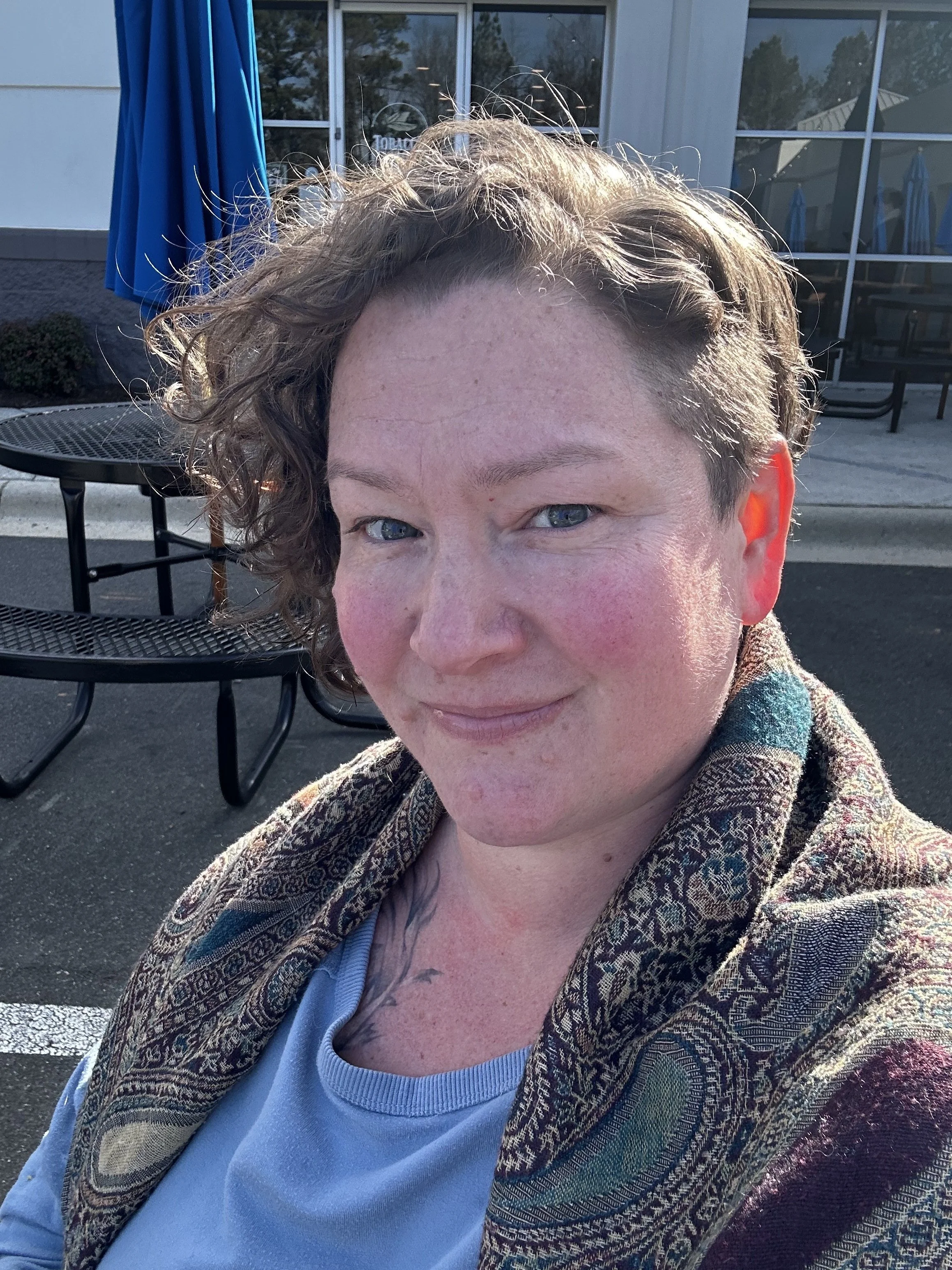
Rachel EB-Walton, DevelopWell's new Director of Operations, is all too familiar with the specific brand of frustration that lives within mission-driven organizations. People are talented and committed, and the mission matters. And yet, things keep quietly falling apart, and it usually begins with the systems, policies, and/or processes no one has time to fix.
Solving that challenge is what drew Rachel to operations work, and her people-centric approach is what aligned her with DevelopWell in particular.
Operations work is never just about operations
Rachel grew up professionally in the nonprofit world, moving through operations roles at organizations deeply invested in educational equity and social change. Her path into that work was personal. Growing up, she saw firsthand how systems shaped educational and career outcomes in ways that had nothing to do with capability or effort.
Then, through her time at Teach for America, EdTrust-West, and her years of independent consulting, she consistently saw organizations become undone by the not-so-glamourous stuff: unclear policies, clunky systems, compliance gaps, and broken processes. And she realized that systems are never neutral — and when they don't work, even the most talented people can't succeed.
When she heard Holly describe that she started DevelopWell because of the same conviction that mission-driven organizations deserve better infrastructure, Rachel felt like she was hearing her own experience reflected back.
“It’s not ‘People don’t want to do it.’ It is that there is something in the process, something in the policies.”
The systems questions most leaders never get to ask ⇨
Take expense reports as a prime example. Relatable and mundane, yet so many companies struggle with people not submitting them properly or on time.
When Rachel is first brought in to figure out what's blocking people from doing their expense reports, leaders usually think it's because team members aren't organized or prioritizing the task. Rachel thinks differently.
First, before she talks to anyone, Rachel sits down with the systems and pretends she's a brand new hire. She walks through submitting an expense report and takes notes. Is this process asking more of people than it needs to? What’s confusing about it? Next, she sits with a range of employees. She talks to people who are always on time with their reports, some who are never on time, and people in the middle. She asks them to walk through how they complete the reports, what’s helping to get them in, and what’s blocking them.
What she ultimately finds sometimes surprises leaders. It may turn out that the system is too cumbersome to use on the go because there's no easy way to snap receipts from your phone on a work trip. Maybe the policy is contradictory and hard to understand. Perhaps there are requirements that don't need to exist, and people are pushing back. And then there's the subtler piece. In mission-driven organizations especially, there's often an implicit message that programmatic work is the real work, and administrative tasks are a distraction. That shapes how people spend their time and guarantees items like expense reports will never be at the top of someone's list.
Fix the story, and then fix the system ⇨
“If operations are running well, no one is thinking about the fact that operations even exist.”
So, what's the solution? Rachel has a two-pronged method:
She always recommends a communications campaign, but not the standard, "Please remember to do XYZ!" messaging. The goal here is to make the stakes real in a way that connects to everyone's values. If you're chasing down expense reports because you need them for grant compliance, tell people that. If you're losing hours that could be spent on programmatic work nudging people about reports, say that, too. Get people on board with the "why" behind what you're asking them to do.
Next, it's time to actually fix the systems. This is situation-dependent and might include cutting unnecessary requirements, updating policies so they're clear and accessible, addressing inequities in who has access to what, and so on. In some cases, all that's needed is a small change to remove the friction that was getting in the way.
The goal is not really compliance. It’s shared ownership.
There's a version of this work that looks like enforcement: adding consequences, tightening the rules, etc. That approach might work in the short-term, but it doesn't actually solve anything. And in mission-driven organizations especially, it can do real damage to the culture you've worked hard to build. The version that actually works looks more like a conversation.
When Rachel sits down with staff to talk about something like expense reporting, she's not there to deliver a lecture or a warning. She's there to invite a different perspective, and she wants people to find it compelling. That means being honest about what's actually at stake: the grant compliance implications, the hours your operations team loses chasing down receipts, the reputational risk that nobody thinks about until it's too late.
"Most people, when they understand the real why behind a policy, stop experiencing it as something imposed on them," she explains. "They start experiencing it as something they're part of."
That shift, from "I have to do this" to "I understand why this matters," is the difference between a compliance culture and a trust culture. And Rachel's goal is always the latter. Trust cultures, in her experience, are the ones that retain people over time and allow people to do their best work.
The real cost of burdensome systems ⇨
Expense reports are just one example of how this pattern plays out. For your team, the friction may lie in onboarding, performance reviews, or somewhere else. All too often, the back-office systems are where dysfunction picks up steam, and the reason these things don't get fixed is because no one has the capacity to really dig in.
If your team is tired of wrestling with systems that aren't working, DevelopWell's Fractional People Ops Advisory can help. We partner with organizations to build practical, compliant, people-first HR and operations solutions, so you can free up your time to focus on what you do best.
Or, if you're not sure where to begin, set up a call with us to talk through it.