
Why Organizational Culture Starts With How Leaders Show Up Every Day
Culture isn't changed by launching new strategies and frameworks. It's also not shifted by communication — no matter how clear, targeted, and intentional it is. The truth is, if you want to change company culture, you must change yourself.
According to research from Harvard Business Review, when senior leaders changed how they led, trust scores rose by an average of 26%, even without formal culture initiatives. Essentially, senior leaders started walking the walk before they ever talked about it, changing the way they ran meetings, made decisions, and responded to challenges.
At DevelopWell, we've seen this truth play out consistently with mission-driven organizations. Leaders who are willing to examine how they show up and commit to changing their behaviors are the ones who create the conditions for real cultural transformation. Here's how you can start the process for yourself.
Organizational culture is shaped by what leaders do every day. Every single decision, interaction, and response you give signals what matters to the organization.
Culture is what you do, not what you say; it lives in these everyday practices:
Decision-making and communication about those decisions
Cross-functional collaboration
How meetings are run
Project, process, and change management
Onboarding and termination
How wins are celebrated
The ways feedback is solicited and delivered
Accountability and personal development
Knowledge sharing
Conflict resolution
“The gap between who we aspire to be as leaders and how we actually show up is where organizational culture lives. ”
Look in the mirror: How to build holistic awareness
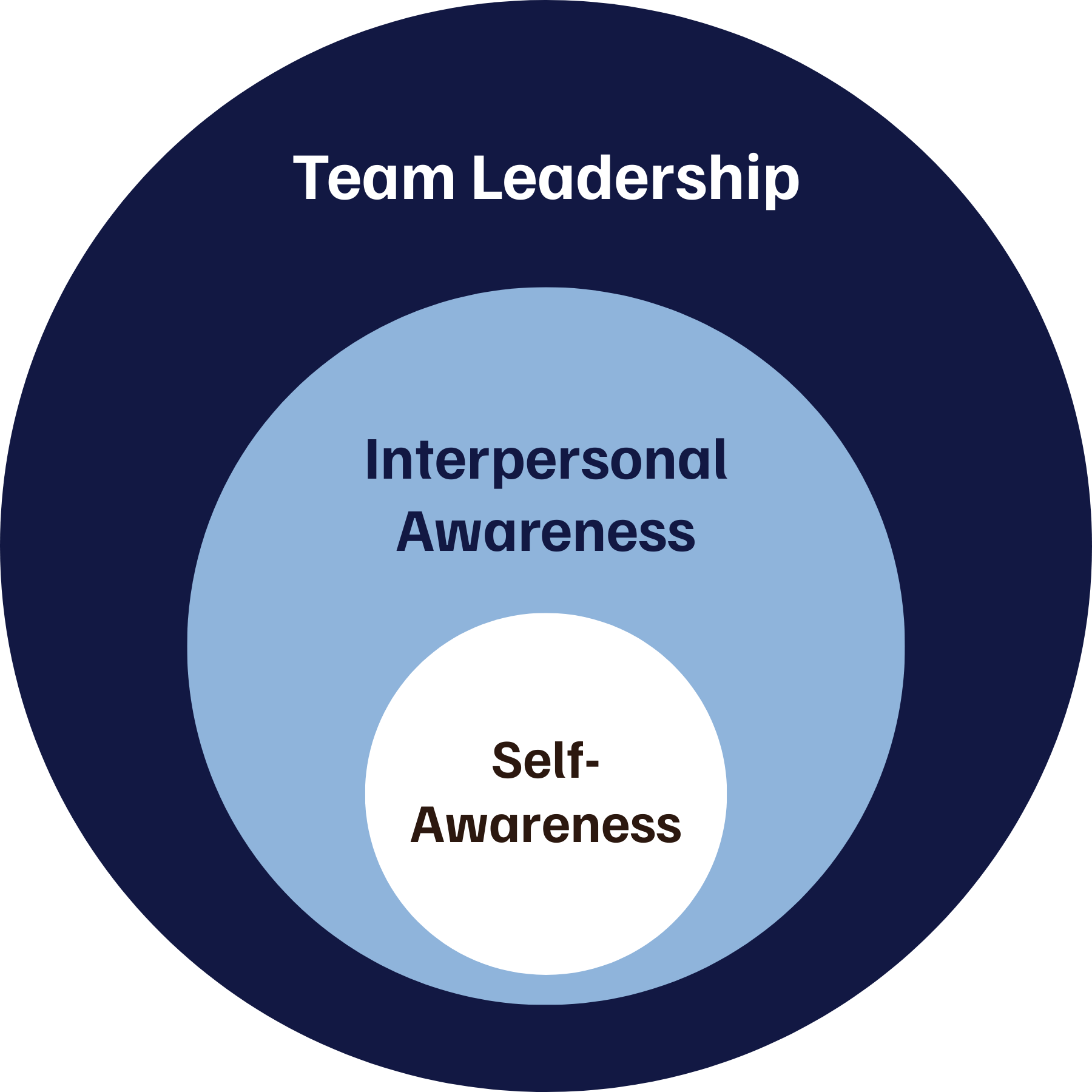
When you're ready to create change, the first step is to use what we call the "Leadership Mirror," a comprehensive framework for fostering the awareness that drives lasting behavioral change.
LEVEL 1: SELF-AWARENESS
In order to change anything, you need to understand where you are right now and where you want to go.
We often ask clients to reflect on their favorite leaders. Who comes to mind for you when you think about a boss who had a positive impact? Now consider this: Did you choose that person because they were great at processing time-off requests? Because they drafted an excellent budget? Because they always started meetings on time?
Probably not. It's more likely that you chose this person because of the way they made you feel — and the specific behaviors that created those feelings. Perhaps they made you feel trusted, or maybe they inspired you. This exercise surfaces what we truly value in leaders, which can reveal the behaviors we want to develop in ourselves.
ASK:
What do I know about myself as a leader?
What's one behavior I want to change this quarter? (Note: Be specific! "I will pause for 5 seconds before responding in meetings" is much more concrete than, "Be a better listener.")
Where do I avoid discomfort?
When do I feel most/least aligned with my values as a leader?
LEVEL 2: INTERPERSONAL AWARENESS
Self-awareness is important, but it's not enough on its own. Strong leaders must also be aware of the people they lead: their individual motivations, preferences, growth edges, and what folks need from you to do their best work.
ASK:
What do I know about each person on my team?
Can I name at least one thing each of my direct reports is working on?
How does each person on my team prefer to receive feedback?
Who on my team am I avoiding, and why?
LEVEL 3: TEAM LEADERSHIP
The final tier is collective. You want to evaluate how your team functions together as a unit, checking to be sure you've created conditions where people feel safe speaking up, everyone is clear on priorities, people are held accountable, and everyone is growing. This is the level at which your organizational culture becomes tangible — this is what your team experiences every day at work.
ASK:
What do we all know about each other?
How do we work together?
If I surveyed my team anonymously, what would they name as our biggest challenge?
What behavior do I model that I don't want my team to copy?
Change is uncomfortable, even when you want it
Leadership development is an ongoing process; you can't work through the questions in the Leadership Mirror exercise and then move on from them forever. It's also uncomfortable, but that's not a bad thing! Discomfort is information. It means you are doing something you don't normally do — but that's exactly what is required when we're looking to shift culture.
Leaders who are willing to look in the mirror, be honest about their growth opportunities, and commit to showing up differently create sustainable change. No matter how many people you lead, the work is the same. Continue building self-awareness, checking in with your team, and evaluating if there are any gaps between your current and ideal culture.
Culture change doesn't require a massive rebrand. It just requires leaders brave enough to change themselves. If you're ready to start that journey, we'd love to introduce you to our unique approach to People Operations and organizational culture. Get in touch below!